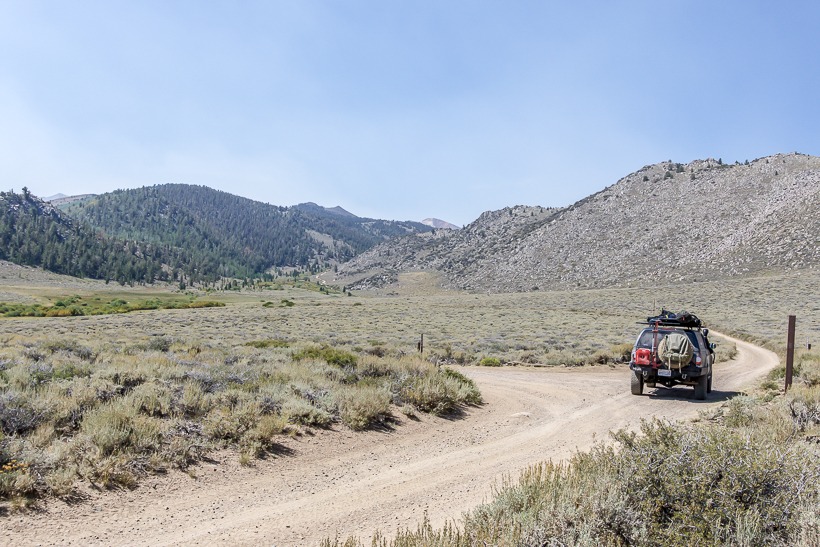
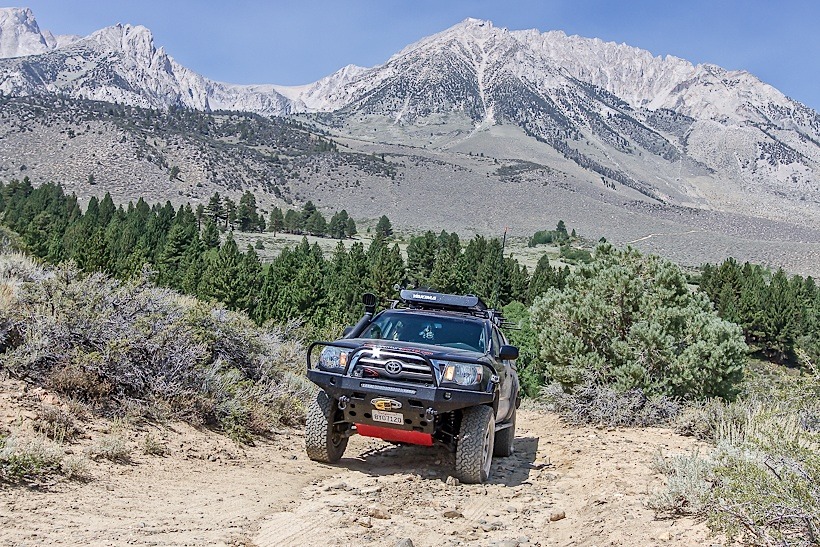
Directions to Coyote Flat Trail: This off-road trail branches off of the Coyote Creek Trail in the Californian Eastern Sierra at the intersection of 8S18 and 7S10. Where the trail splits, take a left to Coyote Flat.
Junction with left turn to Funnel lake
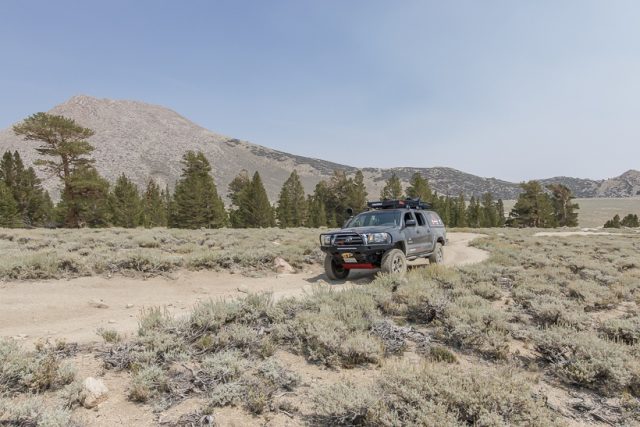
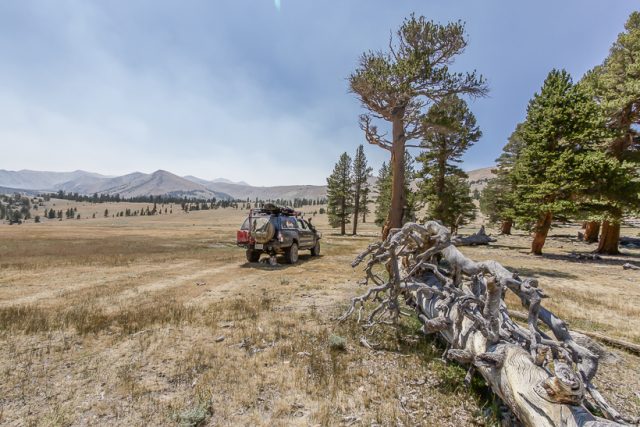
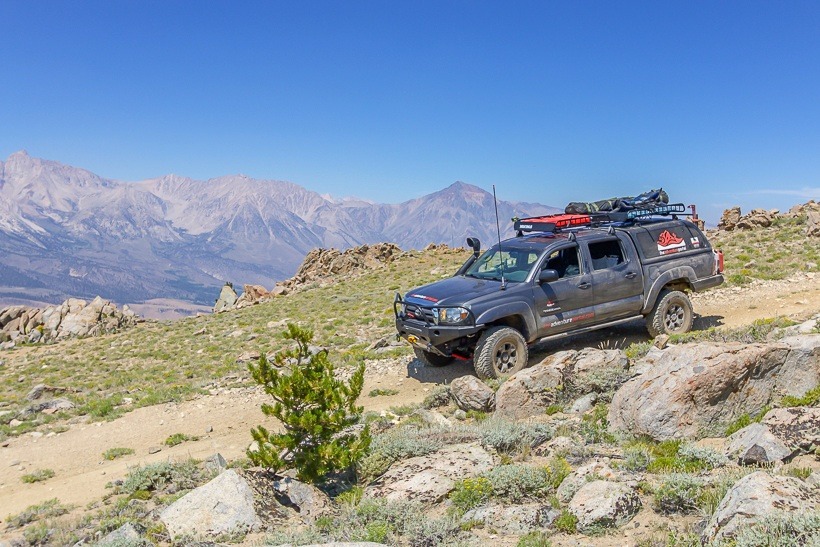
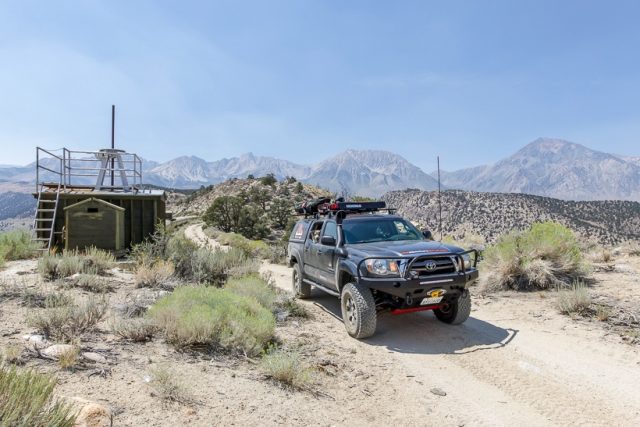
Site Location and Description: Taking a left off of Coyote Creek at the GPS coordinates above will take you south of the Coyote Creek Trail and across through the West Fork of Coyote Creek before coming across the Coyote Flat Trail. A side trail off of Coyote Flat (GPS N37 13.04 W118 29.08), takes you toward Funnel Lake and Rocky Bottom Lake. The main overland trail follows the flat passing below Sugarloaf Peak. This part of Coyote Flat is Sanger Meadow. The meadow was named after a family who raised horses in this area. There is a small track on the left (GPS 37 11.76 W118 27.23) that leads over Sugarloaf and eventually into Big Pine, but this is a difficult and very rocky trail. Heading across the flat you will come to a wooded area with pristine primitive camping opportunities. There are other campsites further along as you get toward Baker Creek (GPS N 37 10.12 W118 28.78) and the end of the trail. These have limited facilities (pit toilets). This area of Coyote Flat and Coyote Creek is well worth a couple of days exploring and vehicle supported adventure camping.
For current road conditions call: Inyo National Forest White Mountain Ranger District 760-873-2500
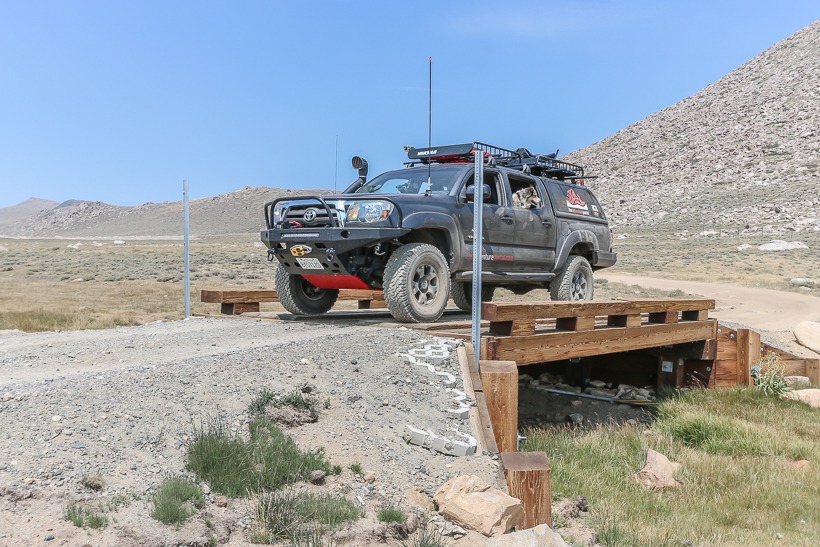
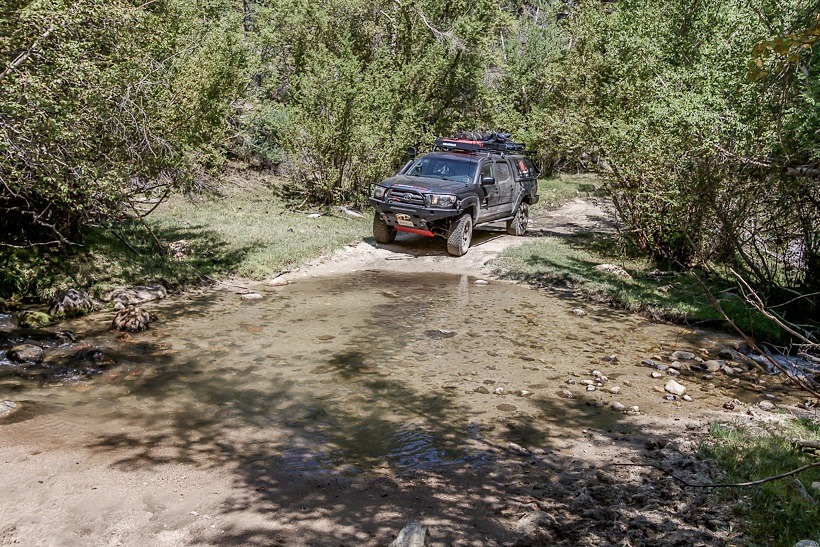
New bridge across creek at Coyote Flats
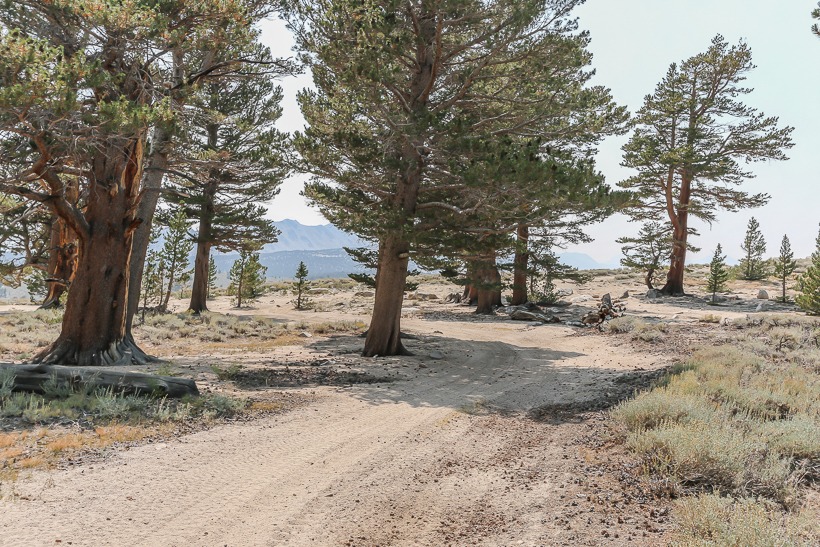
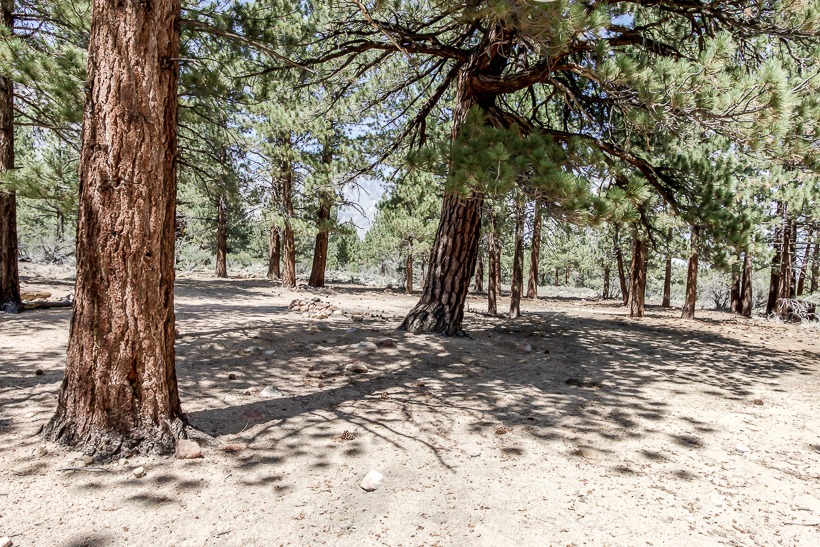
Primitive camp spot past Sanger Meadow.
Click here for more CA off-road, Overlanding trails…..and TAP into Adventure!
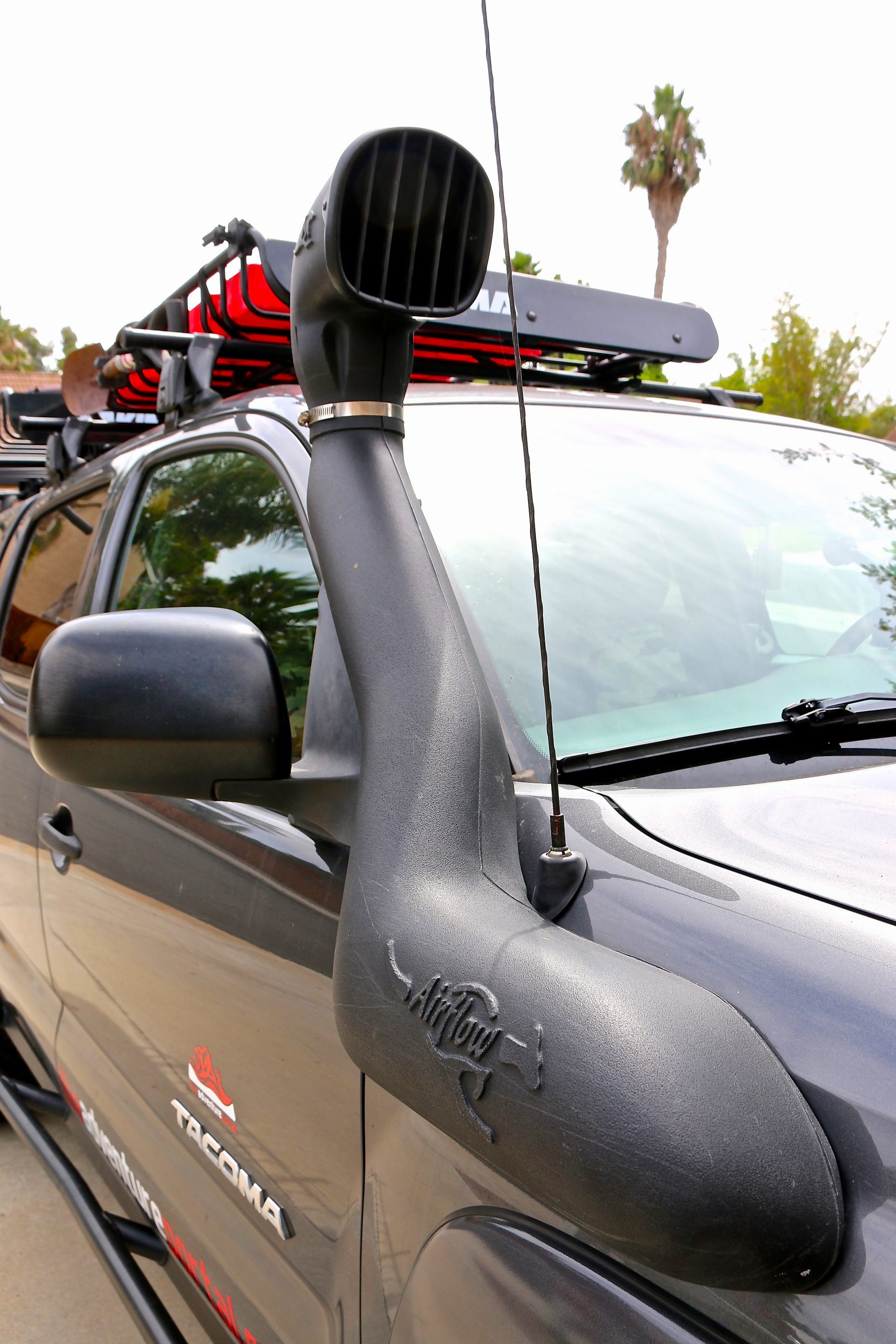
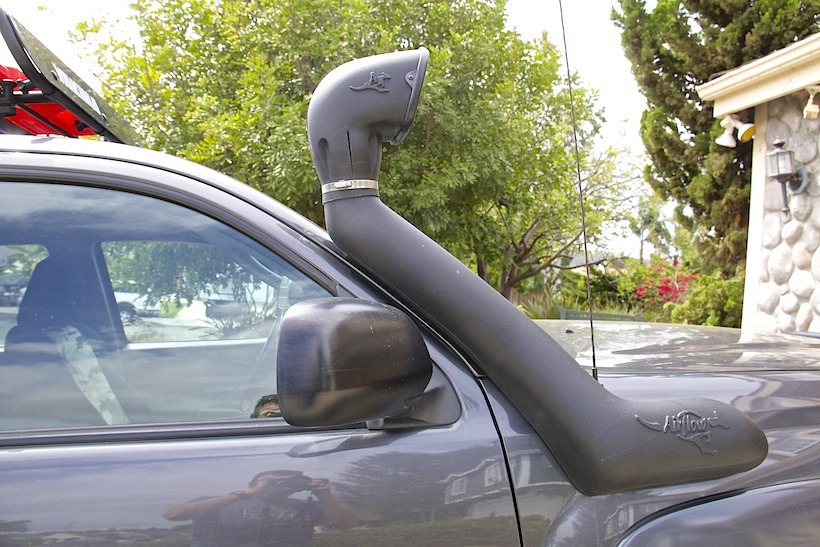
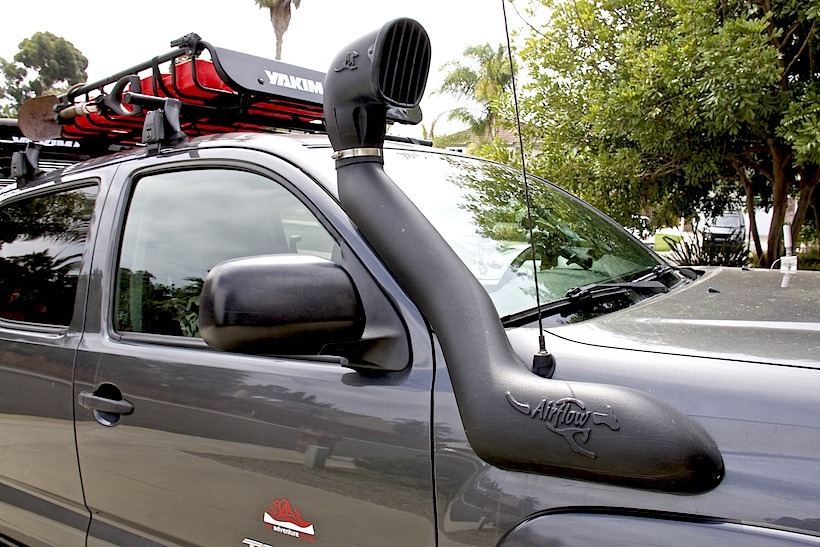
Both of The Adventure Portal rigs have a vehicle snorkel and we are constantly asked why? We have heard people laugh and say that they are unnecessary. We live in southern California and of course it doesn’t rain much, so why have them? Our Tacoma has an Airflow snorkel, so we decided to reach out to the company and ask them for an article that explains what exactly a snorkel does and how it works. So, if you are considering purchasing a snorkel for your vehicle, read on. If you are not, read on and quit laughing at people who have a vehicle snorkel…
The Operation of a vehicle snorkel
Vehicle Snorkels have been in use for a long time on vehicles and craft. Before World War 1, they were used on tanks and later on submarines. After WW1 and the mechanisation of agriculture, they were fitted on tractors and transport vehicles with the unique purpose to supply the engine with air, free of water and contaminants.
In more recent times, with the advent of leisure 4WD vehicles, snorkels are mostly fitted to allow the crossing of rivers without causing damage to the engine. However, more benefits can be obtained from a well designed snorkel. This is where the Cold Air Induction System comes in.
The Cold Air Induction System is designed to improve the fuel efficiency and power of your vehicle. These two goals may appear contradictory, but they aren’t.
How does it work? Combustion engines needs air and fuel to operate. The more air and oxygen flow into the intake manifold, the more efficient the combustion. A cold Air Induction System harvests fresh air at roof level where it is the least disturbed. This air contains less contaminant and is cooler than air absorbed from the engine bay. When the air is cooler, it contains more oxygen. Modern vehicles are fitted with engine management systems; these are computers which measure accurately in real-time all inputs available to the engine to improve its efficiency. Consequently, the availability of cooler air inflow results in more power and torque.
Three main parts constitute a snorkel: a “hat” or “Air Ram”, a Snorkel tube or the “Body” and an air filter either “flat or cyclonic”. The three parts are designed to complement each other in their efficiency. 1. The Air Ram-Air entering the Air Ram swirls violently, creating a cyclonic effect. The heaviest particles are ejected by the centrifugal force to the periphery of the swirl. There, they hit the vertical ribs where air pressure takes over to eject them out of the four slots at the base of the Air Ram. At this point, the air pressure pushes them out. The finer particles that are not ejected are removed by the vehicle air filter. Not all Air Rams are equal in performance. It is preferable for the Air Ram to have an open face without a screen because the screen deflects the airflow.
The “techie” beef: The surface ratio of the open face to outlet aperture must be a minimum of 1.4:1. If the ratio is lesser, it will be insufficient to create the cyclone action that separates heavy contaminants effectively. Approximately 30% of the incoming airflow (above 25kph / 15mph) is used in the separation process. Any deflection of the incoming airflow must be avoided since it dramatically affects efficiency.
Deflections may be caused by:
1- Air Ram situated in close proximity to the hood of the vehicle
2- Air Ram with a curved or foiled roof
3- Turning Air Ram away from travel direction
4- Where Air Ram design makes the air go back on itself at an angle greater than 100 degrees.
Incorrect Air Ram design may cause excessive induction noise, lack of separation and air blocking by vortex at various speeds. This air blocking will limit airflow. This is a common occurrence when “looks” take priority over functionality. If the Air Ram is moulded on the body of the snorkel (for aesthetic reasons) it does not provide particle separation, thus all contaminants need to be removed by the internal air filter. This increases the maintenance cycle of the air cleaner. Furthermore, this configuration may cause a vacuum into the snorkel, thus increasing the risk of engine damage.
2.The Body-Now that the air is free of large particles, it starts traveling down the snorkel body in a straight line. The body may be of two types, induction or non-induction. In the induction case, the air slows down because it enters in a larger volume, the plenum chamber. The swirling created by the Air Ram diminishes, thus reducing friction losses. There, the air is buffered, immediately available for the air box at positive pressure. The engine management system can use it readily. Not all bodies are equal in performance. In the case of a non-induction body, the air passes down directly to the hood tubing and ducting into the air box. While this technique increases efficiency and engine performance, it is not as effective as the cold air induction type.
3. The Air Cleaner Commonly, there are two types of air cleaner fitted to cars by manufacturers: the Flat Air Cleaner and the Cyclonic Air Cleaner, both are fitted with paper filters. While they conform to emission laws, they are not fuel or power efficient. The Cyclonic is the most effective of the two types. Some after market suppliers replace the paper filter by a foam oil filter to further increase airflow and thus power to the engine. However, what is gained in power is lost in filtration. Generally, a paper filter will suppress particles down to 30 microns while foam oil filters will not filter below 40 to 50 microns. Larger particle sizes will increase exponentially the risk of damage to the power of the engine.
Conclusion
Purchasing a vehicle snorkel ought to improve your car’s performance at most engine speeds. Furthermore, it should reduce fuel consumption and make your engine run cleaner. Not all snorkel body designs produce a cold air induction effect. This effect improves fuel efficiency while also improving engine power. Once installed, your 4WD will be ready for new adventures and maybe some river crossings and let’s be honest….just look cool.
Article courtesy of: Michael Kirk-Williams, Australian engineer and designer of Airflow Snorkels. Editor: Lori Palmer
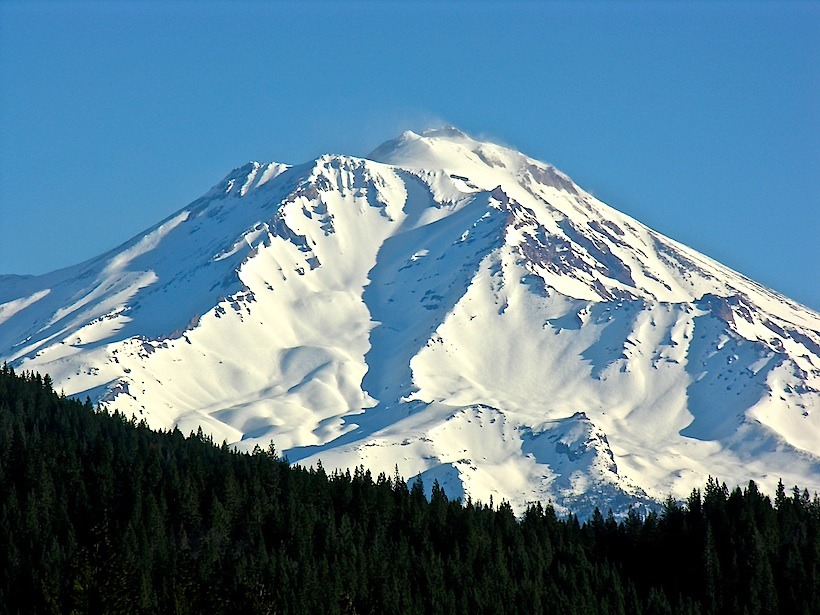
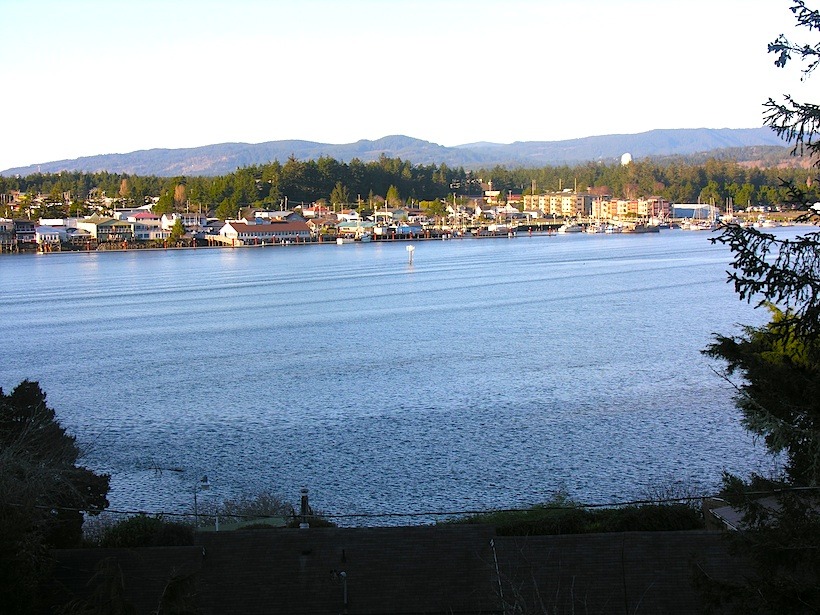
Last February, I had the good fortune and pleasure of being invited to an AEV in-field training at the Oregon Dunes National Recreation Area in Florence taught/led by AEV’s Chris Wood and Kent Klein. It was a two-day drive up from San Diego and the scenery as I approached Mt. Shasta was stunning. Florence is on the Oregon coast at the mouth of the Siuslaw River, at about the same latitude as Eugene. It’s located midway between the central Oregon coastal cities of Newport and Coos Bay.
Mt. Shasta on the way to Florence OR
A room with a view: Florence Oregon
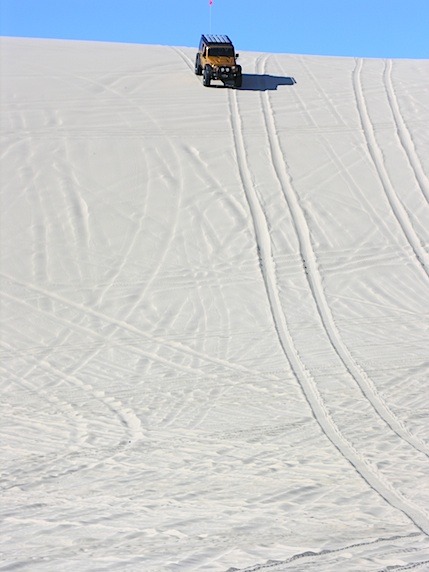
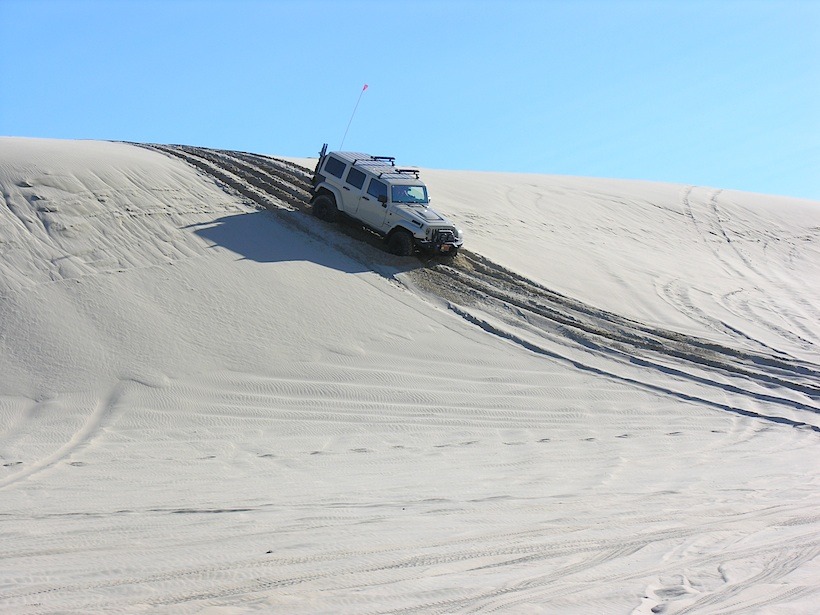
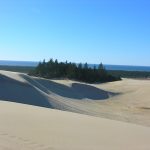
The Oregon Dunes National Recreation Area (NRA) is located in the Siuslaw National Forest and is administered by the United States Forest Service. The Oregon Dunes are a unique area of windswept sand that is the result of millions of years of wind and rain erosion on the Oregon Coast. These are the largest coastal sand dunes in North America. Some dunes tower up to 500 feet above sea level, which provided us with some exhilarating runs.
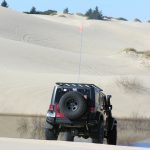
This dune is as tall as a 5 story building.
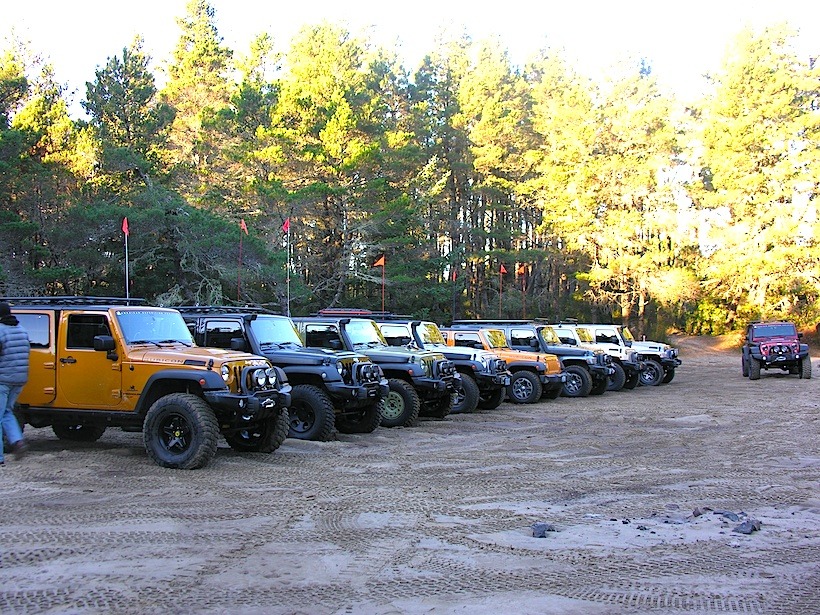
Our group met up at 7 a.m at the local Safeway and headed out to the staging lot of the Oregon Dunes National Recreation Area for a safety discussion and inspection.
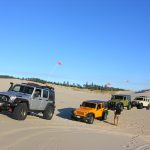
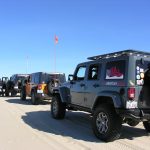
Staging lot: we just naturally lined our rigs up….it’s a Jeep thing.
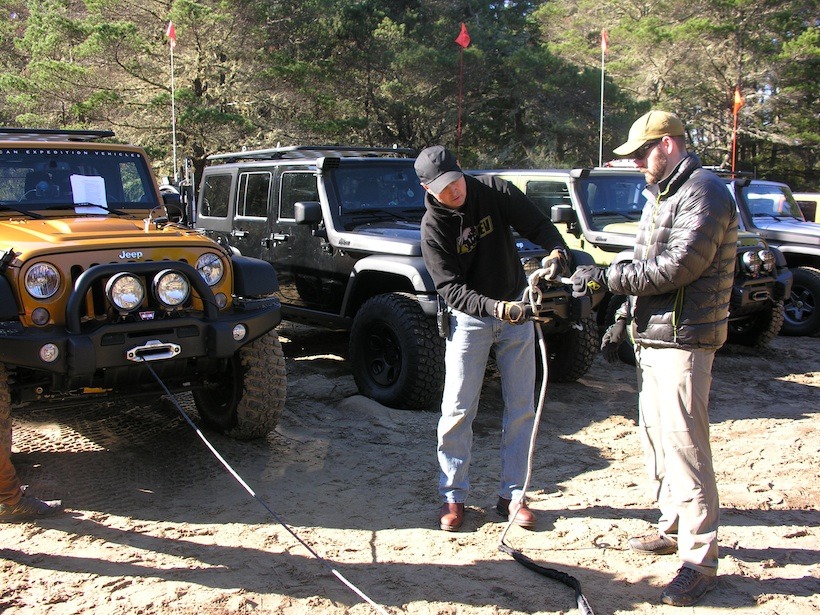
Chris and Kent are well seasoned overlanders with an extensive amount of 4WD training and first aid readiness experience. Before heading out to the dunes, they ran us through recovery techniques involving snatch straps and winching. They also made sure that we were familiar with the following:
-Your rig’s ground clearance: Know the location of your vehicle’s low points, the gas tank, transmission and axles.
-Height and width: Be aware of your vehicle’s dimensions including mirrors, fender flares and roof rack.
-Transfer-case function: Know how to engage 4WD and 4 low without grinding the gears (Jeeps are notoriously prone to this.).
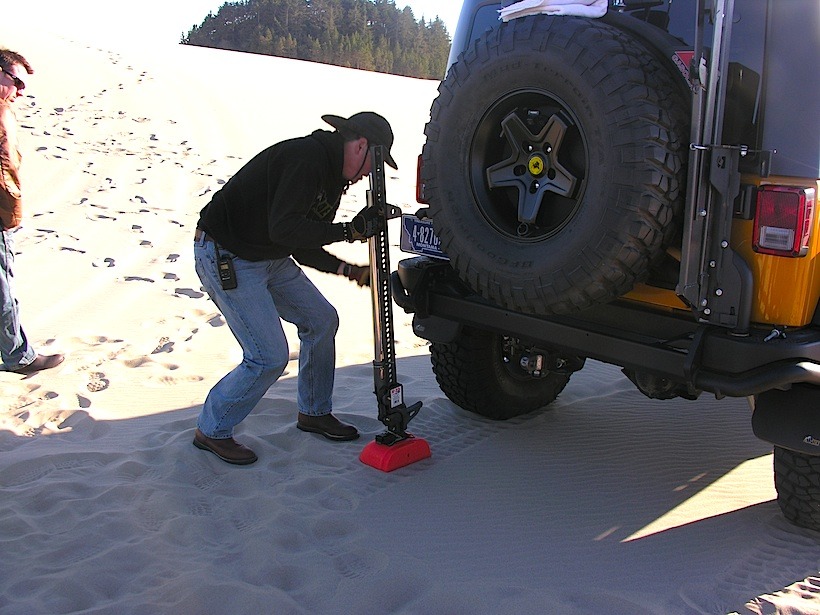
-Tire changing procedures: Know how to change out a flat and know where your locking lug key is in advance.
-Practice backing your vehicle using only mirrors.
Chris and Kirk demonstrating a winching technique.
The next training items dealt with defining and discussing the use of recovery points, skid plates and different types of tires:
–Recovery points: These are the hooks or preferably the eyelets (d-rings) used to attach recovery straps and winch cables to your vehicle when it becomes stuck. Recovery points should always be attached to the front and the rear of the chassis. Trailer balls are not appropriate recovery points.
–Skid plates: Everyone was familiar with them, but Chris reinforced the fact that they are steel plates used to protect vulnerable components on your vehicle’s underside such as the transmission, transfer case, differentials and gas tank. and that you need to keep in mind where they are when picking a line. He asked each of us to look at our under chassis and note the location of our skid plates (or lack of). Again, all of this was to reinforce the importance of knowing your vehicle’s strong points as well as its vulnerable areas before hitting the trail.
-All-Terrain tires vs Mud-Terrain tries: These are the basic types of tires to consider when choosing off-road, tread designs. For those of us who spend a good portion of our time on freeways and paved streets, in other words, our rig is also our day-to-day vehicle, all-terrain tires is what we want. They provide superior traction on dry/wet asphalt and ice as well as most off-road trips. Mud-Terrain tires give superior traction in the mud, but inferior traction in almost all other environments, making quick break, emergency, road situations sketchy. Beyond tread design, make sure the tire’s load range rating is suitable to your loads.
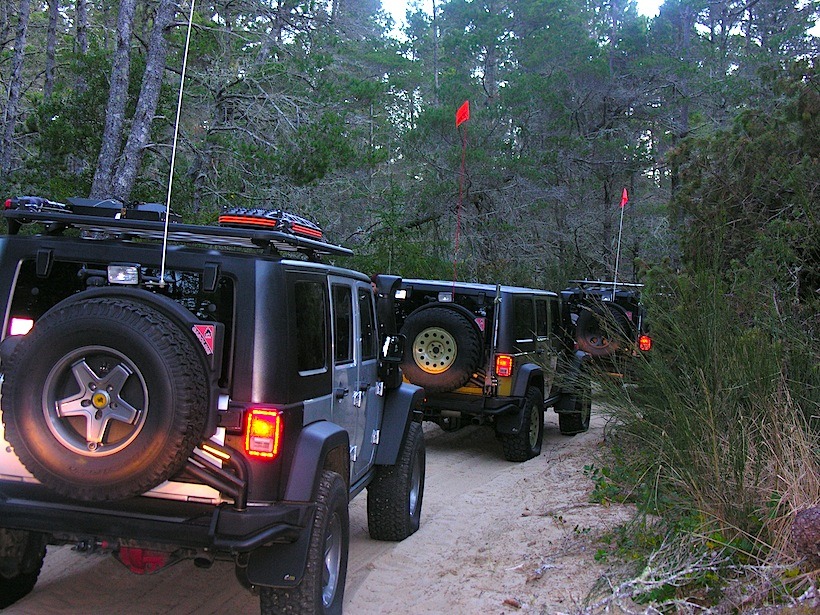
The training lasted most of the morning and many more topics were covered. We had lunch, aired down, then headed out to the dunes for a day of play, further training, and exploration.
Throughout the day, Chris and Kirk instructed us on safety tips for ascending and descending steep dunes, recovery methods when tires begin to spin then sink into the sand and more.
AEV In-Field Training
This was an all around fantastic experience. I met a great group of like minded, off-road enthusiasts and got to learn how to better use the components on my rig. It’s one thing to have a built rig, it’s another to know how to use that componentry in a safe and environmentally conscious way. If you have the resources, then investing in building a cool rig is fun. Whether your rig is stock or significantly built up, investing in training is smart. I have taken trainings in all different types of terrains to teach me how to navigate lines up rocky steps, through crevics made of sandstone, thick dune sand and more. The TAP crew is a big believer in safety and training.
My Rubi and I LOVE rocks (and dirt, and sand, and water) and encourage you to go play, safely! For training info, go to The Adventure Portal and in the search box type training, then TAP into Adventure!
Happy Trails: Rubi
Author Lori Palmer: TAP Editor and Co-founder
Photos: Lori Palmer
Directions: FromBishop CA on US-395: go to the intersection of Main Street and West Line Street. Go west on West Line Street for 2.6 miles. Turn south on Reata Road and proceed straight on the paved road for about a mile. Turn right onto an off-road graded dirt road at an unmarked intersection. Go 3.9 miles down the road to the trail head at 5,716 ft.
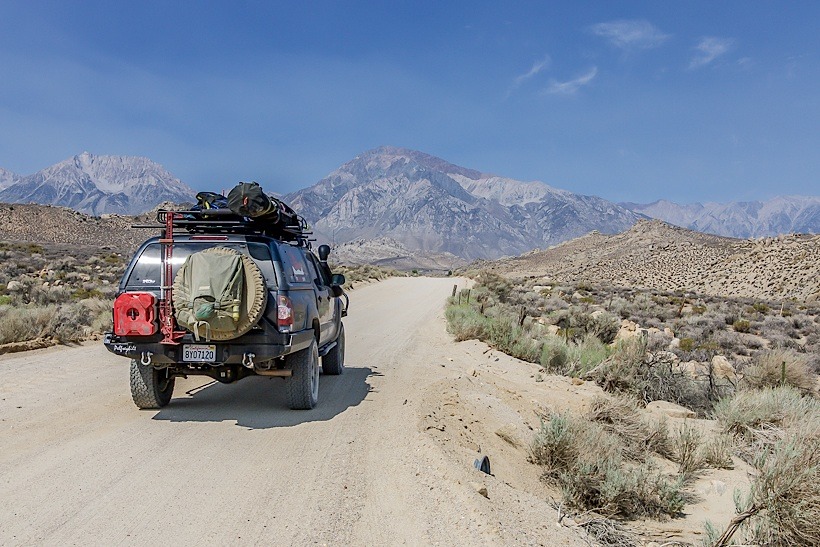
Views of the Sierras from Coyote Creek Trail
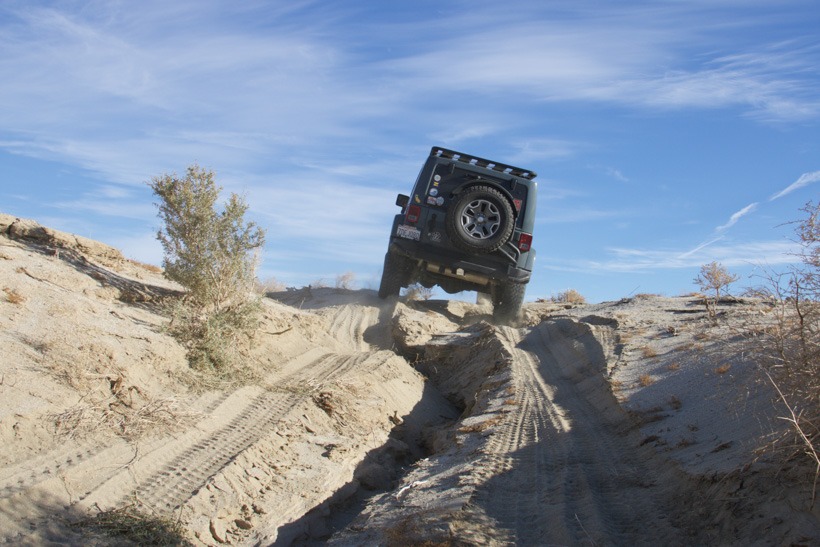
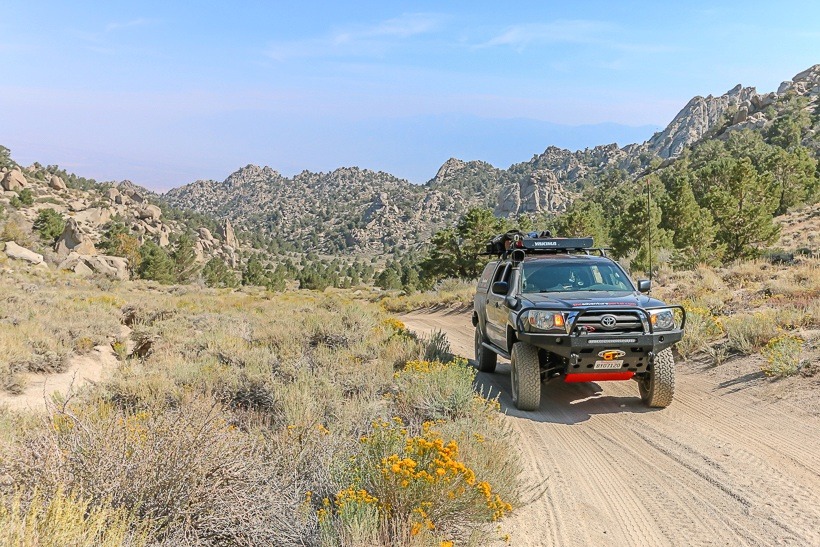
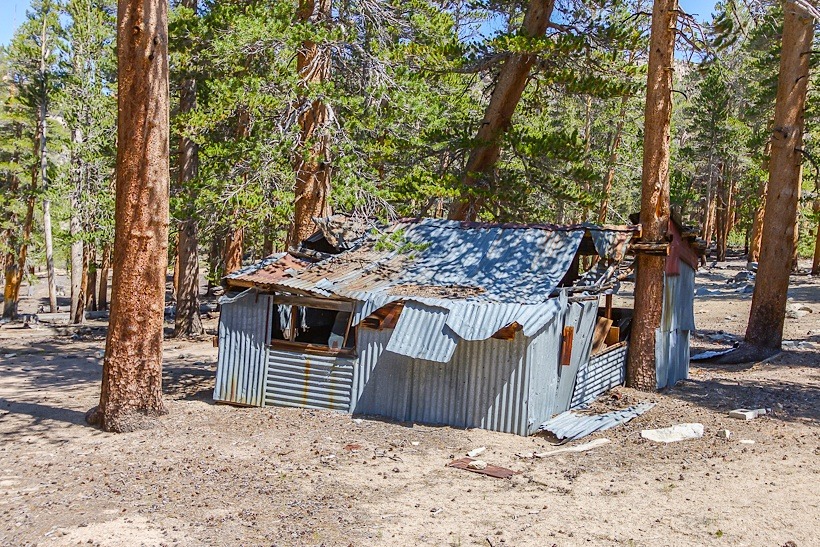
Site Location and Description: Coyote Creek Trail is the main overland trail leading into a network of off road and ATV trails in the Eastern Sierra, just west of Bishop CA. The trail starts off in Owens Valley, crosses BLM land then enters into Inyo National Forest. The first 3.9 miles is an easy sand road that leads into a steep uphill switchback section that climbs more than 2,000 feet.. This section will be challenging for those without aggressive tires, high clearance, 4WD vehicles. There are many primitive camping opportunities along the trail. At 6.3 miles there is a picturesque campsite by the trail and creek. Coyote Creek Trail passes by the Peterson Mill site where you can see the remnants of the mill. This trail offers multiple primitive camping sites. There is a split in the trail at GPS coordinate: N37 14.91 W 118 29.34, if you take a left, it leads to Coyote Flat Trail. Coyote Creek Trail continues along the West Fork Coyote Creek in a narrow valley. The terrain becomes rougher but is easily driven with 4WD and high clearance. The trail ends above a small lake at a spectacular viewpoint. This is a TAP recommended vehicle supported adventure trail worthy of a few days of exploration and camping.
Click here for more CA off-road, Overlanding trails…..and TAP into Adventure!
This article on the Tread Lightly principles comes from 4WD Trainers Association certified professional trainer Tom Severin. It provides good food for thought when getting ready to prepare for your next adventure, as well as tips on how to behave in a way that preserves the environment we all love to play and explore in.
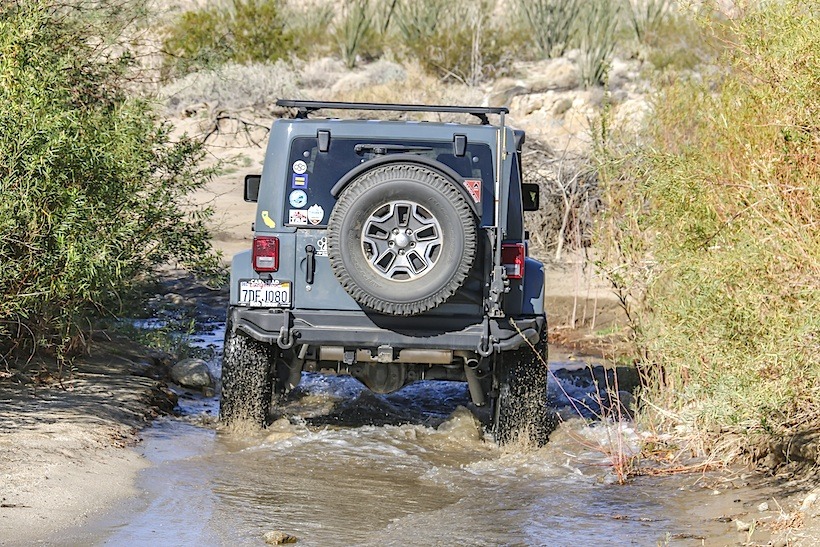
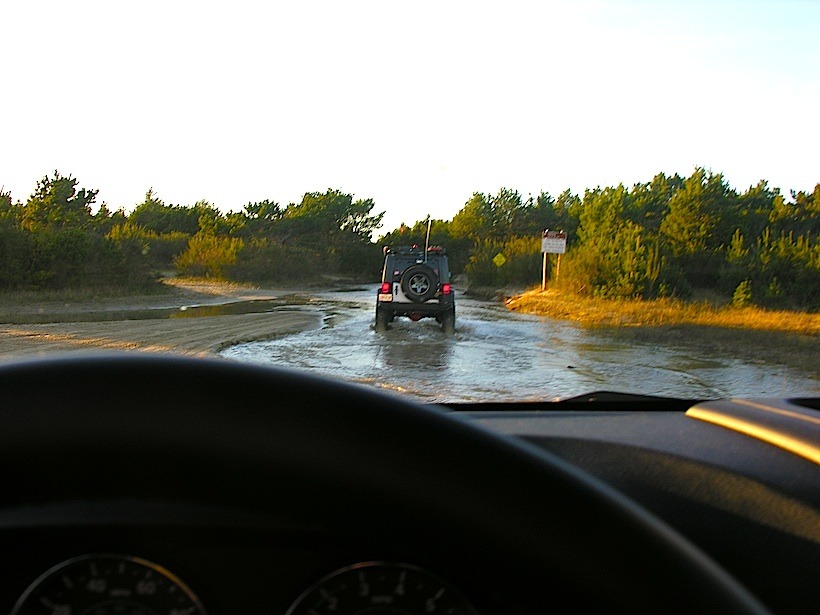
Travel responsibly and only on roads or trails that are marked for 4WD use. Drive Carefully through streams to avoid disrupting habitat, and make sure to cross on designated paths. Fish beds and spawning grounds are susceptible to being churned up and destroyed by passing vehicles. If you must travel through a stream, resist the temptation to splatter through. Drive very slowly to avoid chewing up the stream bed and disrupting the habitat.
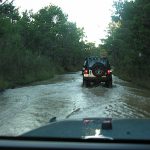
Tread lightly: cross slowly and on designated crossings or trails.
Respect the rights of others, including private property owners, recreational trail users, campers, etc. so that they may enjoy their recreational activities undisturbed. There is enough room for all of us to enjoy our hobbies. On particularly busy holidays or week-ends be extra considerate of others who are out there to enjoy the outdoors just like you are.
Educate yourself by learning rules and regulations. Buy maps and obtain regulations from public agencies. Plan for your trip with a “hope for the best, prepare for the worst” attitude. Take some recreational skills classes: off-road safety and recovery, wilderness first-aid etc. Most importantly know what all of your gear does and how to use it correctly and safely. Whatever you do, don’t “wing it”. Mother nature is unforgiving. Too many people have found themselves in dire straights because they went out unprepared or travelled across terrain that they did not have the skill level or recovery techniques required for safe travels. Even experienced drivers can find themselves in perilous positions. Be prepared.
Chris Wood of AEV training us on the use of the AEV hi lo jack
Avoid sensitive areas like meadows, lake shores, wetlands and streams, unless they are on designated routes. This protects wildlife habitat and sensitive soils from damage. This ties into the first point, which was traveling responsibly and only on marked trails. Even when on the designated routes be sure to travel slowly and stay on the path, disturbing the surrounding ecosystem as little as possible. Resist the temptation to make a “big splash” when crossing a waterway. This only disturbs the surrounding ecosystem.
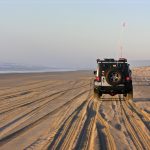
Florence OR Dunes National Recreation Area. Designated route to the beach.
Do your part and leave the area better than you found it. This means: dispose of your waste properly; be it waste from bodily functions or trash. Pack it up and take it out. Minimize the use of fire. When building a fire, be sure you use a designated pit or bring a fire container. You can buy propane camping fire pits for that “cozy campfire feel” without the wood burning component. Note: It will not put out significant amounts of heat. Leaving the area better than you found it could also mean being of service and picking up a trashed campsite. TAP has rolled into more than a few primitive, yet highly trafficked sites loaded with empty beer bottles, caps, water bottles….you name it. Really bad. We always carry extra, large trash bags and have a Trasharoo on each truck for secure trash “storage”. If we all picked up a little extra, we’d all be better off.
Trash collected near a lakeside campsite
As you can see, these are simple and common sense principles. Unfortunately, it’s easy to not always follow them. We get lazy, we are in a hurry etc. Recommit yourself to following these principles and you will have a more enjoyable and rewarding time outdoors.
Take your Trasharoo!
Happy Trails!
Author: Tom Severin is a 4×4 Coach who teaches 4WD owners how to confidently and safely use their vehicles to the fullest extent in difficult terrain and adverse driving conditions. Visit www.4x4training.com to develop or improve your driving skills.
TAP Editor: Lori Palmer
Please add your Tread lightly practices below in our comment section. We can never have enough too much input on better ways to keep our environment healthy.
Dirt, smooth to gravel, narrow to rocky two-tracks
Difficulty
Easy/More challenging side trips on marked forest roads
Required Vehicle
Stock 4×4 with high clearance.
Time
Three to four hours for the loop
Length
approximately 18 miles
Directions to Buttermilk Country Loop Trail: From Highway 395 in Bishop, head west on Hwy 168 (West Line Street). After 7.3 miles, turn right on Buttermilk Road 07S01.
Site Location and Description: TheButtermilk Country Loop trail is situated below the majestic Sierra Nevada Mountains. The trail is composed of a loop with several legal side roads to explore both on foot and in your off-road vehicle. There are also a variety of primitive overland campsites on the marked national forest side roads.
Shaded camp spot
Buttermilk Country Loop trail crosses into the famous John Muir Wilderness area that extends along the crest of the Sierra Nevada of California for 90 miles, in the Inyo and Sierra National Forests. The loop is 16 miles long and runs through terrain which varies from desert boulder strewn geography to pine forest glades. Along the first four miles, you may encounter other vehicles as this is a popular bouldering destination. There are a couple of stream crossings that are mellow in the summer, but have the potential of being considerably deeper during rains or with spring run-off. The side roads should be explored as they are picturesque and some provide stunning views down into the valley. A TAP recommended vehicle supported adventure trail.
McGee Creek crossing
Road Conditions: Inyo National Forest, White Mountains R.D.: Call- 760-873-2500
Click here for more CA off-road, Overlanding trails…..and TAP into Adventure!